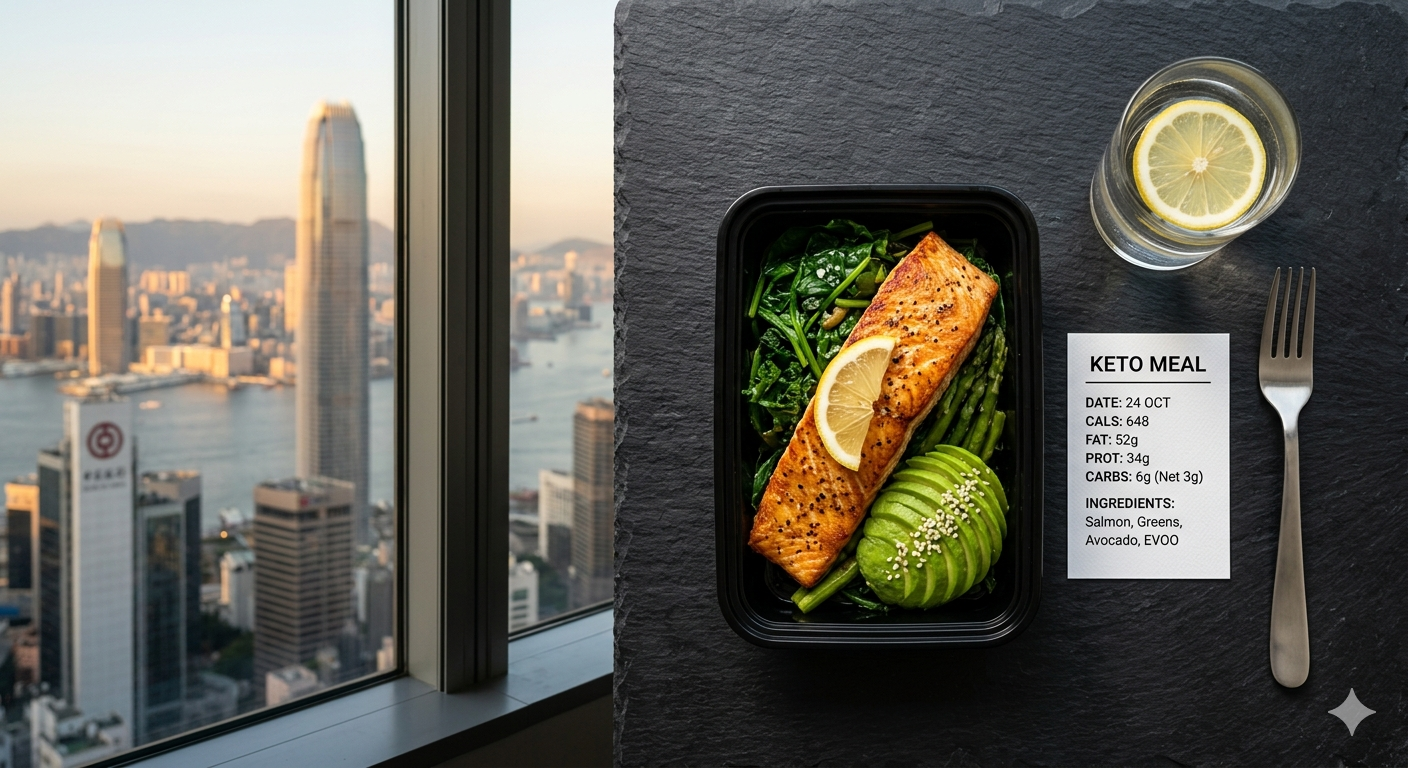
Walk into any office building in Central, Sheung Wan, or Quarry Bay at 1:00 PM, and you will see the exact same scene play out every single day. There is a sea of plastic takeaway containers littering desks, and impossibly long lines snaking out of commercial salad bars. For busy professionals in Hong Kong, staying healthy has essentially become a stressful second job. Between back-to-back corporate meetings, intensive gym routines, and demanding family commitments, who actually has four hours on a Sunday afternoon to dedicate to home-cooked macro meal prep?
This extreme time deficit has led to a massive explosion of meal delivery options across the city over the last few years. But it has also raised a very healthy, very necessary dose of skepticism among consumers.
People are starting to ask the exact same question before they enter their credit card details on a subscription site: Are fresh meal delivery services actually healthy? Or are they just glorified, overpriced microwave meals hidden behind clever wellness marketing, minimalist packaging, and fitness influencer sponsorships?
As the founder of Eatology, I deal with this exact question every single day from skeptical clients, corporate executives, and competitive athletes. The truth is uncomfortable: not all services are created equal. In fact, many of them are actively cutting corners. To know if a program is truly nourishing your body or quietly sabotaging your long-term health, you have to look past the beautiful branding and ruthlessly audit the actual kitchen logistics, the ingredient sourcing, and the underlying nutritional science.
The Dark Side of Convenience: How Mass-Market Meal Prep Cuts Corners
Many commercial food delivery options on the Hong Kong market claim to be clean, lean, or organic, but a quick look under the hood reveals a completely different story. To scale up production, preserve margins, and cut down on labor costs, many mass-market operations rely on structural shortcuts that actively work against your body composition and metabolic health.
1. Sodium and Preservative Bloating
To make food survive a multi-day supply chain, sit in a delivery truck, and remain edible after days in a consumer’s refrigerator, many mass-market companies overload their recipes with hidden sodium and artificial stabilizers. High sodium intake is a notorious contributor to systemic water retention and elevated blood pressure. If you have ever finished a “healthy” pre-packaged meal and felt inexplicably bloated, heavy, and sluggish an hour later, you have experienced mass-market sodium inflation firsthand.
2. The “Low-Fat” Sugar Trap
When you remove fats from a dish to make the macronutrient label look appealingly low-calorie, you lose a massive amount of natural flavor and moisture. To compensate for this, commercial kitchens frequently substitute healthy fats with refined sugars, high-fructose corn syrup, modified starches, and artificial thickeners. This creates a terrible biological loop: you eat a low-calorie meal, your blood sugar spikes wildly, your insulin shoots through the roof, and by 3:00 PM you are experiencing a massive cognitive crash, hunting for sugar at your office coffee station.
3. Unregulated Macros and Guesswork
Let’s be honest about the barrier to entry in the food industry. Anyone can rent space in an unverified cloud kitchen, buy a digital scale, and slap a “High Protein” sticker on a plastic box. Without a certified clinical dietitian auditing the kitchen recipes, the macronutrient numbers displayed on your dashboard are often complete guesswork. If the kitchen staff pours an extra tablespoon of cheap cooking oil into the pan or cuts the chicken breast slightly too small, your daily calorie tracking is completely thrown off by hundreds of calories.
The Blueprint of a Legitimately Healthy Meal Delivery Service
If you want to ensure the food showing up at your home or office is genuinely optimizing your metabolic health and helping you achieve sustainable fat loss or muscle gain, the company must hit three non-negotiable operational standards. This is the exact blueprint we used to build our entire infrastructure at Eatology.
1. Dietitian-Led, Chef-Crafted Formulation
A truly healthy meal plan cannot be left entirely to a chef, nor can it be left entirely to a computer algorithm or an AI macro generator. It requires a strict, continuous partnership between clinical science and culinary art.
Chefs naturally prioritize taste, which means they are tempted to add hidden fats, butter, and salt. Dietitians prioritize strict numbers, which can sometimes result in dry, uninspired food that nobody wants to eat for more than a week.
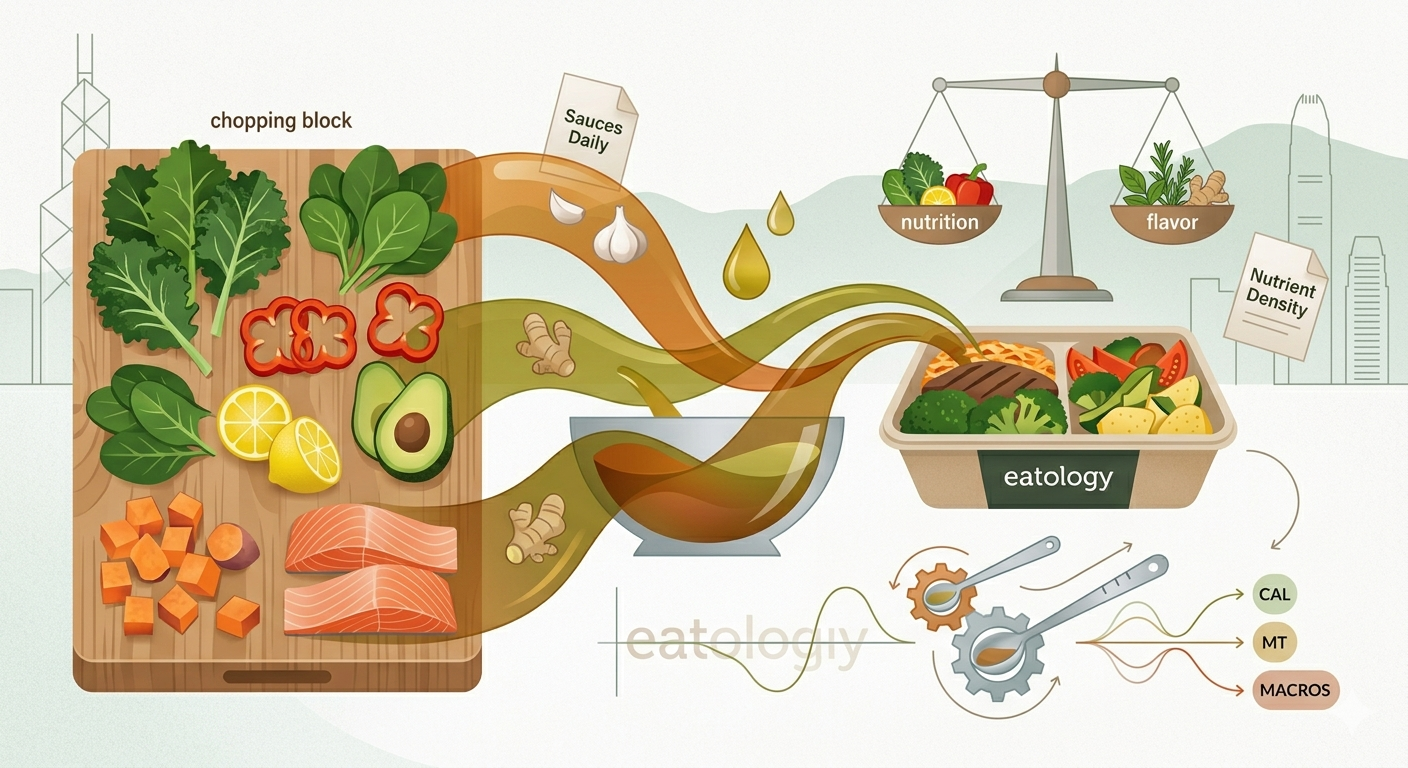
At Eatology, every single one of our 100+ unique gourmet recipes is designed, tested, and approved by our team of registered dietitians and our in-house culinary experts. This ensures that your meals hit precise macronutrient distributions without sacrificing culinary complexity. For instance, our tailored Traditional Asian Meal Plan maintains a strict, balanced ratio of 40% complex carbohydrates, 30% lean protein, and 30% healthy fats, keeping your glycogen levels stable throughout the day.
2. ISO 22000 and HACCP Certified Food Safety
True health starts with absolute, uncompromising hygiene. In Hong Kong’s hot, humid climate, food safety management is not a secondary concern—it is everything. You should never, under any circumstances, order food from an unaccredited cloud kitchen or a brand that cannot verify its production standards.
According to global manufacturing guidelines, a kitchen must implement a systematic preventive approach to food safety. Our central production kitchen operates under strict, internationally recognized HACCP (Hazard Analysis Critical Control Point) and ISO 22000:2018 food safety management protocols. This guarantees total ingredient traceability, sterile preparation environments, and consistent cold-chain quality from the moment raw ingredients arrive at our facility to the exact second they are delivered to your door in insulated, temperature-controlled bags. You can learn more about these global food safety benchmarks directly via the International Organization for Standardization.
3. Sourcing Premium, Whole Ingredients
Your body knows the immediate difference between commercial, factory-farmed factory meat and premium, responsibly sourced fuel. A premium healthy meal plan Hong Kong program must avoid refined carbohydrates, heavy industrial seed oils (like canola, corn, or soybean oil), and monosodium glutamate (MSG).
Instead, focus on services that incorporate unrefined, low-glycemic complex carbohydrates like wild brown rice, quinoa, and whole wheat, alongside organic, free-range, and natural premium proteins. When you fuel your body with clean ingredients, your gut health improves, systemic inflammation drops, and your natural energy levels remain perfectly linear all day long.
Evaluating Your Options: Commercial Food vs. Certified Meal Delivery
To help you visualize how a dedicated, dietitian-backed meal program stacks up against standard commercial dining, office takeaway options, and basic food app deliveries, let’s look at a direct breakdown of what you are actually putting into your body.
The differences become glaringly obvious when you map out the operational backend of how the food is prepared:
| Nutritional & Operational Standard | Standard App Delivery / Restaurant Dining | Eatology Certified Meal Program |
| Macronutrient Accuracy | Pure guesswork; high use of hidden fats, butter, and sugars to enhance flavor. | Exact, guaranteed macro and calorie counts audited by clinical dietitians. |
| Food Safety Standards | Varies wildly; frequently prepared in unverified cloud kitchens or rushed restaurant lines. | Globally recognized ISO 22000:2018 and HACCP Certified facilities. |
| Sourcing Quality | High reliance on cheap industrial seed oils, heavy sodium, and commercial factory meat. | Premium, natural, hormone-free, and free-range proteins with low-GI complex carbs. |
| Dietary Personalization | Minimal to none; incredibly difficult to safely exclude specific allergens or adjust macros. | Bespoke structural adjustments for Keto, Paleo, Vegan, Vegetarian, or Gluten-Free needs. |
| Professional Guidance | None; you are entirely on your own to figure out your metabolic and nutritional needs. | Includes direct personal coaching and consultations with a certified clinical dietitian. |
Why DIY Macro Meal Prep in a Hong Kong Apartment Fails
Whenever this conversation comes up among health-conscious professionals, there is always someone who claims that cooking at home is the only true way to eat healthy. While that sounds great in theory, the unique infrastructure of Hong Kong makes home-cooked macro meal prep HK style incredibly inefficient and often more expensive.
First, consider the real estate problem. Unless you are paying an astronomical rent premium, your apartment kitchen is likely highly constrained. Trying to prepare, cook, portion, and store 15 to 20 identical plastic containers filled with chicken, fish, sweet potatoes, and vegetables inside a tiny domestic refrigerator is an operational nightmare.
Second, look at the economics of sourcing. Sourcing premium, hormone-free proteins and organic produce in small batches at high-end expat grocery stores carries an immense import markup. As documented by the Hong Kong Consumer Council, imported specialty health foods and organic goods feature some of the highest retail markups in the region. Because an individual consumer cannot buy in commercial bulk, your weekly grocery bill for clean eating scales drastically, and your financial waste increases due to unused ingredients spoiling.
Finally, there is the billable hour problem. If you spend four to five hours every single Sunday hunting for specialty ingredients, prepping, cooking, cleaning up the kitchen, and portioning out food, what is that time actually worth to you? If your professional time or your personal rest time is worth anything, spending your weekend performing manual kitchen labor is a massive net loss on your personal balance sheet.
The Behavioral ROI of Automating Your Nutrition
When you choose a verified fitness meal delivery HK service, you are investing in sustainable behavioral psychology.
By having your exact daily fuel delivered fresh to your door every single morning, you completely eliminate the app friction and decision fatigue that leads to emotional, unhealthy ordering when you are stressed out at the office. You don’t have to think, you don’t have to choose, and you don’t have to compromise. The healthy choice is already sitting in your office refrigerator, completely eliminating spontaneous, budget-busting transactions.
Furthermore, a top-tier program provides you with a personalized daily breakdown detailing your precise intake of proteins, carbohydrates, and healthy fats—giving you total transparency over what you consume.
Whether your goal is a complete metabolic shift via a structured Ketogenic Diet, sustaining clean energy through a plant-forward Flexitarian Meal Plan, or fueling intense athletic conditioning via high-protein programs, a structured service turns healthy eating from a stressful daily chore into an automated, highly efficient system.
The Verdict: Are They Actually Healthy?
Yes—provided you choose a service backed by genuine clinical science and certified safety standards.
If you choose a low-tier meal delivery service that cuts corners on ingredients, relies on hidden preservatives to extend shelf life, and operates out of an uncertified facility, it is no healthier than standard commercial fast food.
But if you choose a dietitian-guided, ISO-certified infrastructure that completely prioritizes whole foods, avoids industrial seed oils, and provides custom macro tracking, it is arguably the healthiest, most efficient choice a high-performing professional in Hong Kong can make. We built a detailed comparative analysis on the long-term value of this model, which you can explore in our comprehensive guide: Is a Meal Plan Worth It Compared to Eating Out in HK?
Stop leaving your physical health, mental clarity, and daily energy levels down to last-minute, reactive choices on delivery apps. Treat your nutrition like the high-performing asset it is, automate the process, and let the data do the work for you.
Frequently Asked Questions
How can you tell if a meal delivery service is truly healthy?
A truly healthy service must offer exact, transparent macronutrient breakdowns audited by certified clinical dietitians, utilize whole, unrefined ingredients entirely free from added MSG or industrial seed oils, and operate out of a certified HACCP or ISO 22000 facility to guarantee strict international food safety standards.
Are meal prep services better than cooking at home in Hong Kong?
For busy individuals, yes. Small Hong Kong kitchens make high-volume meal prep highly inefficient. Premium meal services source high-quality, organic ingredients in commercial bulk, ensuring perfectly balanced, dietitian-approved nutrition without food waste or hours spent cooking and cleaning over the weekend.
Does Eatology use preservatives or MSG in its healthy meal plans?
No. Eatology relies entirely on fresh, natural ingredients, aromatic herbs, and premium spices to craft flavorful, healthy dishes daily. All programs are completely free from added MSG, artificial preservatives, high-fructose corn syrup, and processed fillers.