I coach athletes through food every day. Not in a lab, but through real meals that show up at the door and fit a training plan with zero fuss. When people ask me why I like a paleo diet template for enhancing athletic performance, I talk about power, recovery, and how great you feel when your plate is clean and purposeful.
Food should be simple, satisfying, and strong enough to support hard work. That is the point.
Why a paleo template suits athletes
At its core, paleo nutrition cuts processed foods and leans on meat, fish, eggs, vegetables, roots, fruit, nuts, seeds, olive oil, and coconut. It removes grains, legumes, most dairy, refined sugar, and industrial oils. For athletes, that shift often improves gut comfort, reduces inflammation from ultra-processed extras, and tightens up body composition without calorie counting.
People think paleo means low carb. Not for performers. A paleo lifestyle is about food quality first, not slashing carbs across the board. I scale carbs up or down based on the training calendar, then choose sources that sit well: sweet potatoes, yams, taro, pumpkin, ripe bananas, dates, honey, and berries. That is how I keep glycogen full without relying on bread or pasta.
The benefits of a paleo diet for athletes show up fast: stable energy, better satiety, clear skin, quiet digestion, and easier weight control. I also see improved micronutrient density because meals are built from actual food, not filler.
The carb question: not low carb, right carb
Carb tolerance and needs vary. A strength athlete lifting heavy twice a day is not the same as a trail runner logging 90 kilometers a week. I set carb targets by session type and body mass, then plug in paleo-friendly choices that digest cleanly.
Protein sits around 1.6 to 2.2 grams per kilogram for most athletes. Fat fills the gap for taste, vitamins, and hormone health, usually 0.6 to 1.0 grams per kilogram, with room to move on light days. Carbs flex the most. On rest days I keep them modest. On hard days, I push them up and time them before and after training.
You do not need bread to carb load. You need glucose that your gut likes, given at the right time.
Quick guide to training day fuel
Here is a simple framework I use with clients. Adjust for your body weight, gut comfort, and sport demands.
| Day type | Carbs (g/kg) | Protein (g/kg) | Fat (g/kg) | Paleo carb examples |
|---|---|---|---|---|
| Rest or easy | 2 to 3 | 1.6 to 2.0 | 0.8 to 1.0 | Berries, pumpkin, carrots, apples |
| Moderate | 3 to 4 | 1.6 to 2.0 | 0.6 to 0.8 | Sweet potato, pears, beets, honey |
| Hard or double | 4 to 6 | 1.8 to 2.2 | 0.6 to 0.8 | Yams, ripe bananas, dates, baked taro |
| Race or long | 5 to 7 | 1.8 to 2.2 | 0.5 to 0.7 | Dried fruit, honey gels, mashed potatoes |
I consider sports nutrition products a tool. If you want to stay strict paleo, use homemade honey gels, date mixes, and fruit-based chews with sea salt. If performance is king, and your event demands fast sugar every 20 minutes, I am fine with targeted gels during the session, then back to paleo meals the rest of the day.
Timing that pays off
Meal timing is where the paleo diet for athletes becomes practical. Quality is the base, timing does the fine-tuning. I keep it tight around workouts and relaxed the rest of the day.
- Pre-training 2 to 3 hours: aim for starch plus lean protein. Sweet potato and chicken, or plantain and eggs.
- Pre-training 30 to 60 minutes: go light. A banana with a little honey, or a few dates. Keep fiber low to protect your gut.
- During long sessions over 75 minutes: target 30 to 60 grams of carbs per hour. Honey, dates, or a simple gel if needed. Add sodium.
- Post-training 0 to 2 hours: rebuild with protein and starch. Salmon, roasted yams, and greens, or beef with taro and a citrus salad.
I keep fats modest before and after training to speed stomach emptying and use them later in the day for satiety and flavor.
Leaner and stronger: weight loss without wrecking training
A paleo diet for weight loss works because protein and fiber-rich vegetables drive fullness and cut snack noise. That said, athletes have to protect their engine. If you slash calories too hard, athletic performance fades and recovery stalls. I aim for small deficits on easy days, then eat at maintenance or a slight surplus on hard days to defend power output.
Women, especially those with heavy training blocks, need to watch low energy availability. Track cycles, sleep, mood, and training quality. If sprints feel flat and you are always cold, that is a sign to eat more, not less.
With the right structure, fat mass drops, lean mass holds, and the bar speed or pace you care about stays sharp.
Real-world snapshots
A 10K runner I worked with, who was following a paleo diet, could not stomach pasta the night before races. We shifted to roasted yams, baked salmon, a simple arugula salad, and a ripe banana at breakfast. Her gut settled, race-day energy steadied, and she set a personal best three weeks later.
A rugby player wanted to cut 4 kilograms in eight weeks without losing power. We tracked 2 grams of protein per kilogram, pushed carbs up on contact days using plantain, dates, and potatoes, and used big salads with olive oil on rest days. He made weight, kept his numbers in the gym, and reported less joint soreness.
Common pitfalls and fixes
Most issues come down to under-fueling carbs, poor salt intake, or fiber timing. I fix those first before changing anything else.
- Too little carbohydrate: add 0.5 to 1.0 g/kg of carbs before and after hard sessions. Use easy starches like sweet potatoes and bananas.
- Fiber overload around training: move raw veg away from workout windows. Cooked greens and peeled fruit sit better when the clock matters.
- Low sodium intake: salt your food. In heat or long sessions, add 500 to 1000 mg sodium per liter of fluid.
One more big one: trying to be perfect. You do not get bonus points for saying no to a gel at kilometer 30. You get points for finishing strong and recovering faster.
Paleo for beginners: start here
You do not need to rebuild your life. Start with the next three plates and the week follows.
- Fill half of your plate with vegetables at lunch and dinner.
- Choose one primary starch and cook it in bulk on Sunday.
- Set a protein floor for the day and hit it before 7 p.m.
- Keep fruit ripe and visible, keep cookies out of the house.
- Cook with olive oil, ghee, or coconut oil, not seed oils.
- Plan pre and post workout snacks in advance to support athletic performance, so you are not improvising.
If meals are a drag to plan, use paleo diet meal delivery for two weeks to set the standard. You will learn portions, timing, and how good food should taste.
Smart extras: supplements and hydration
Supplements are not a substitute for real meals. I use a few with a strong record and leave the rest.
- Creatine monohydrate: 3 to 5 grams daily. Strength, power, and repeated sprints.
- Electrolytes: sodium first, then potassium and magnesium. Especially in heat or back-to-back sessions.
- Fish oil: if fatty fish is rare in your week, 1 to 2 grams EPA+DHA can help.
- Vitamin D: test, do not guess. Dose to blood levels, not labels.
- Collagen or gelatin: helpful for tendons if taken with vitamin C 30 to 60 minutes before rehab work.
Coffee is fine if it does not disturb sleep. If you run hot with caffeine, cap it by midday and hydrate well.
Make it easy with Eatology Paleo
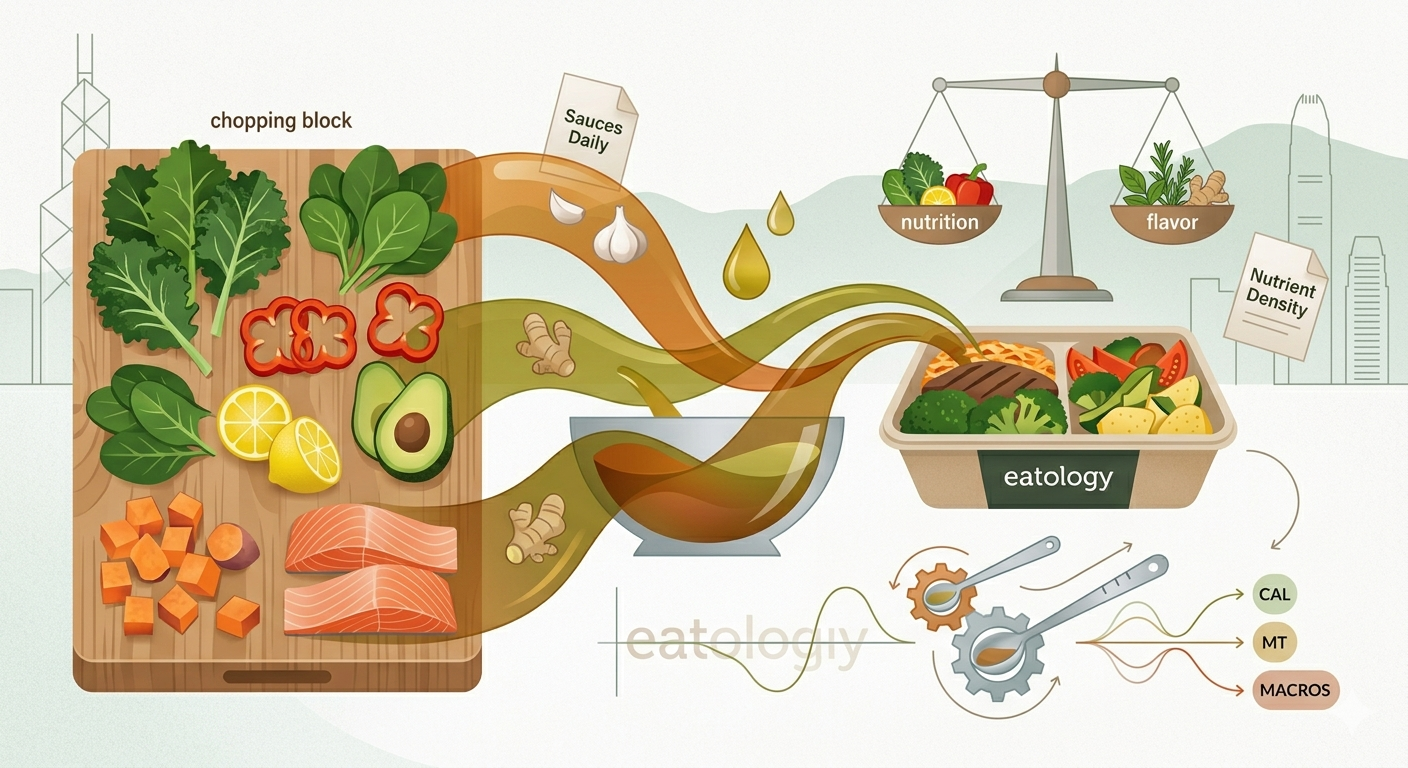
My team designs paleo meals for athletes in Hong Kong with clockwork precision, aligning with the core principles of the paleo diet. We weigh protein to match your targets, rotate carbohydrate sources to keep the gut happy, and season like chefs, not like textbooks. You pick your plan, choose your menu, and we deliver fresh, not frozen.
If you are cutting for competition, we dial in portions and timing so you can stay light and train hard. If you are building for a marathon or a heavy cycle, we push carbs on key days, pack in micronutrients, and set you up with predictable pre and post workout options that never feel boring.
Here is what that looks like in practice on a hard training day:
- Breakfast: egg white and smoked salmon frittata, roasted sweet potato, berries
- Pre-workout snack: banana with honey and sea salt
- Lunch: turmeric chicken, baked yams, mixed greens with olive oil
- Afternoon snack: coconut yogurt with pineapple
- Dinner: grilled beef, taro mash, charred broccoli with lemon
I want you fueled, not guessing. That is why we keep the menu varied and the nutritionist oversight tight. Your job is to train. My job is to make every bite count.
If you are ready to try a paleo diet for beginners, or you need a sharper approach to your current plan, I am here to make it simple. Order, train, eat, repeat. Eatology: Elevate your health. Savor every bite.