Hong Kong runs on speed. Commutes, meetings, workouts, dinner plans, repeat. The catch is that performance and health fall off fast when meals turn into last-minute snacks and sodium-heavy takeout. A smart meal plan fixes that, giving you consistent nutrition, real flavor, and time back. I build meal plans every day, and I see the difference it makes by week two: better energy, fewer cravings, steady progress on the scale, sharper training sessions. You get control without the stress.
Why meal plans outperform constant takeout
Consistency drives results. Calories and macros shift all over the place when you’re guessing with café orders and quick bites. That inconsistency leads to plateaus and frustration. With a meal plan, the numbers are dialed in, so your body finally gets a steady baseline.
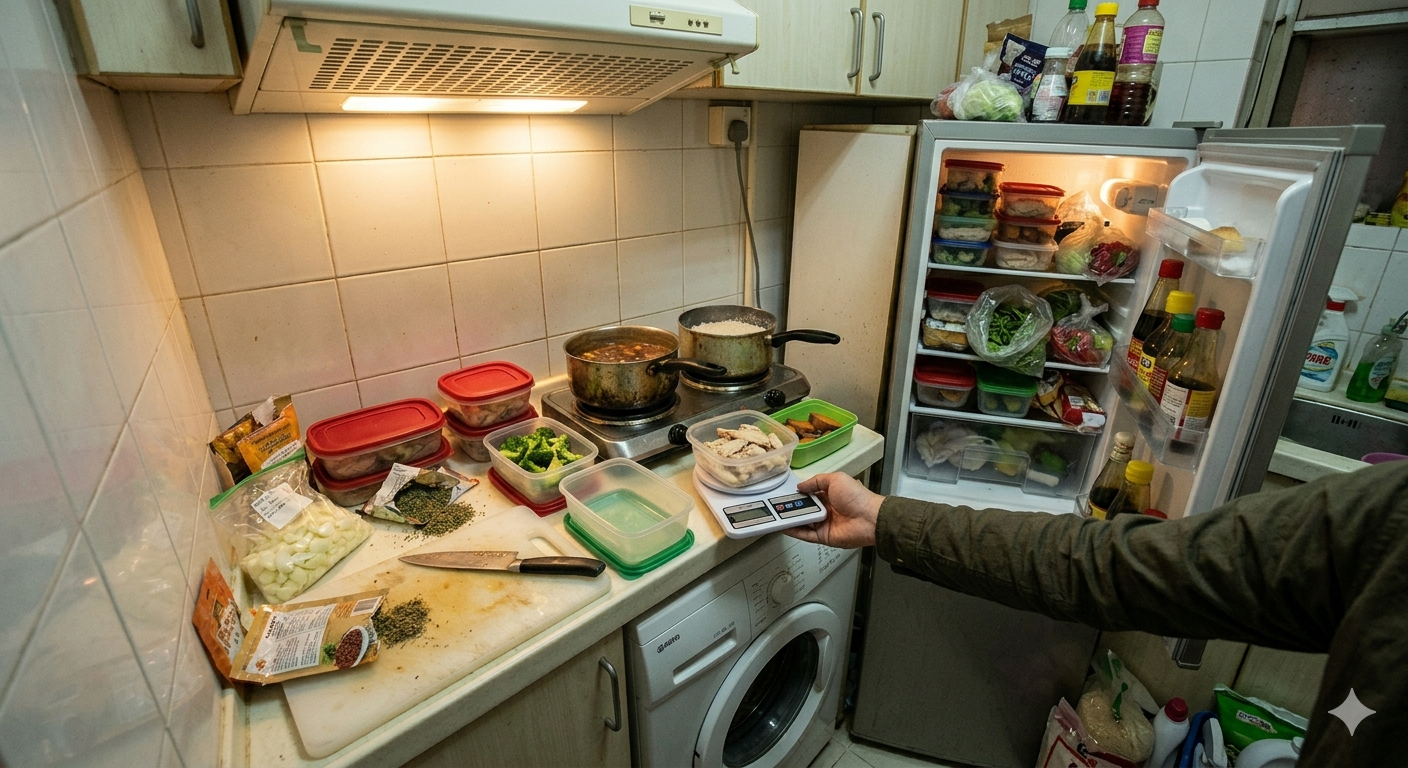
Time is another factor. Cooking after a 12-hour day is tough. Meal prep removes decision fatigue. You open the fridge, heat, eat, move on. No mental math, no grocery runs, no cleanup stack.
Taste matters, too. People stick with what they love eating. I push for restaurant-level flavor, correct textures, and enough variety to keep things interesting. When meals taste like something you actually want, adherence takes care of itself.
I worked with a client in Quarry Bay, a product manager who biked to the office and trained at night. He struggled with energy crashes. We shifted him to a balanced plan at 1,900 kcal with 120 grams of protein and controlled carbs around training. Two weeks later, his afternoon slumps were gone and his bike splits improved. That’s the power of structure paired with food you look forward to.
Popular meal plan styles in Hong Kong
You’ll find a range of plans across the city, from weight loss to performance builds to plant-based menus. The trick is matching your goal to the format, not the other way around.
Here’s a quick snapshot of common styles you’ll see, including how we design them at Eatology.
- Best for: Everyday health and maintenance
- Calories/day: 1,500–2,000
- Carb focus: Moderate
- Protein/day: 90–130 g
- Typical price (HKD/day): 260–360
- Notes: Mix of lean proteins, smart carbs, vegetables
- Best for: Fat loss, appetite control
- Calories/day: 1,200–1,800
- Carb focus: Lower to moderate
- Protein/day: 100–140 g
- Typical price (HKD/day): 280–380
- Notes: Extra vegetables, healthy fats, lower starch
- Best for: Muscle gain, body recomposition
- Calories/day: 1,800–2,400
- Carb focus: Moderate
- Protein/day: 130–180 g
- Typical price (HKD/day): 300–420
- Notes: Emphasis on lean meats, fish, legumes
- Best for: Endurance or strength training blocks
- Calories/day: 2,200–3,000
- Carb focus: Periodized
- Protein/day: 120–160 g
- Typical price (HKD/day): 340–520
- Notes: Carb timing around training sessions
- Best for: Plant-forward nutrition
- Calories/day: 1,400–2,000
- Carb focus: Moderate
- Protein/day: 70–110 g
- Typical price (HKD/day): 260–360
- Notes: Legumes, tofu, tempeh, grains, seasonal produce
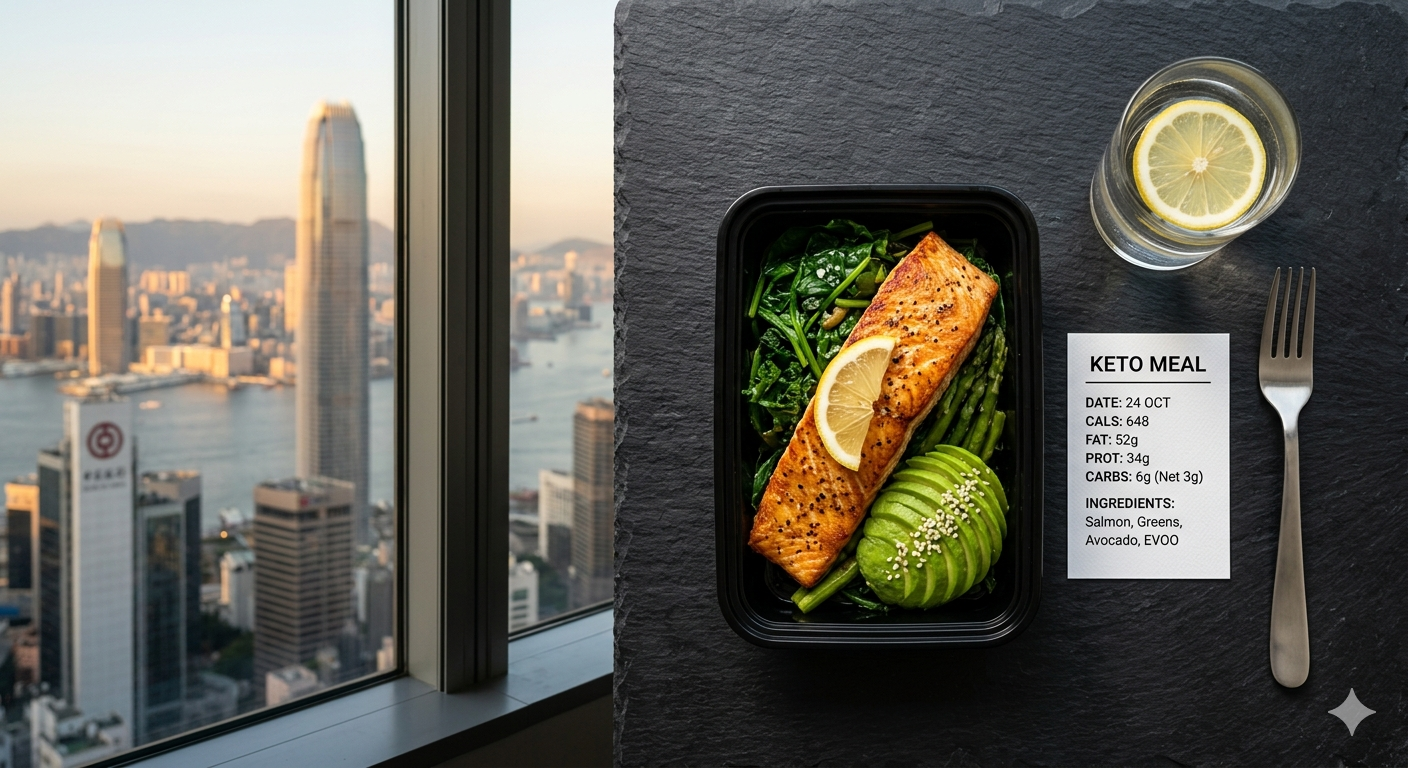
- Best for: Strict carb control
- Calories/day: 1,200–1,800
- Carb focus: Very low
- Protein/day: 80–120 g
- Typical price (HKD/day): 300–420
- Notes: Higher fats, careful portioning, detailed labeling
- Best for: Digestive comfort, celiac needs
- Calories/day: 1,400–2,000
- Carb focus: Customized
- Protein/day: 90–130 g
- Typical price (HKD/day): 280–400
- Notes: Certified GF ingredients and prep protocols
I’m careful with labels like keto or athlete. Anyone can print macros on a box; the quality test is whether your meals leave you satisfied and moving toward your goal without digestive issues or energy dips.
What high quality really looks like
Not all meal plans are equal. Look past marketing and check the details. Ingredient sourcing matters. Oil and sodium levels change how you feel day to day. Portion accuracy is non-negotiable. Packaging can keep a dish crisp, or turn it soggy in 20 minutes.
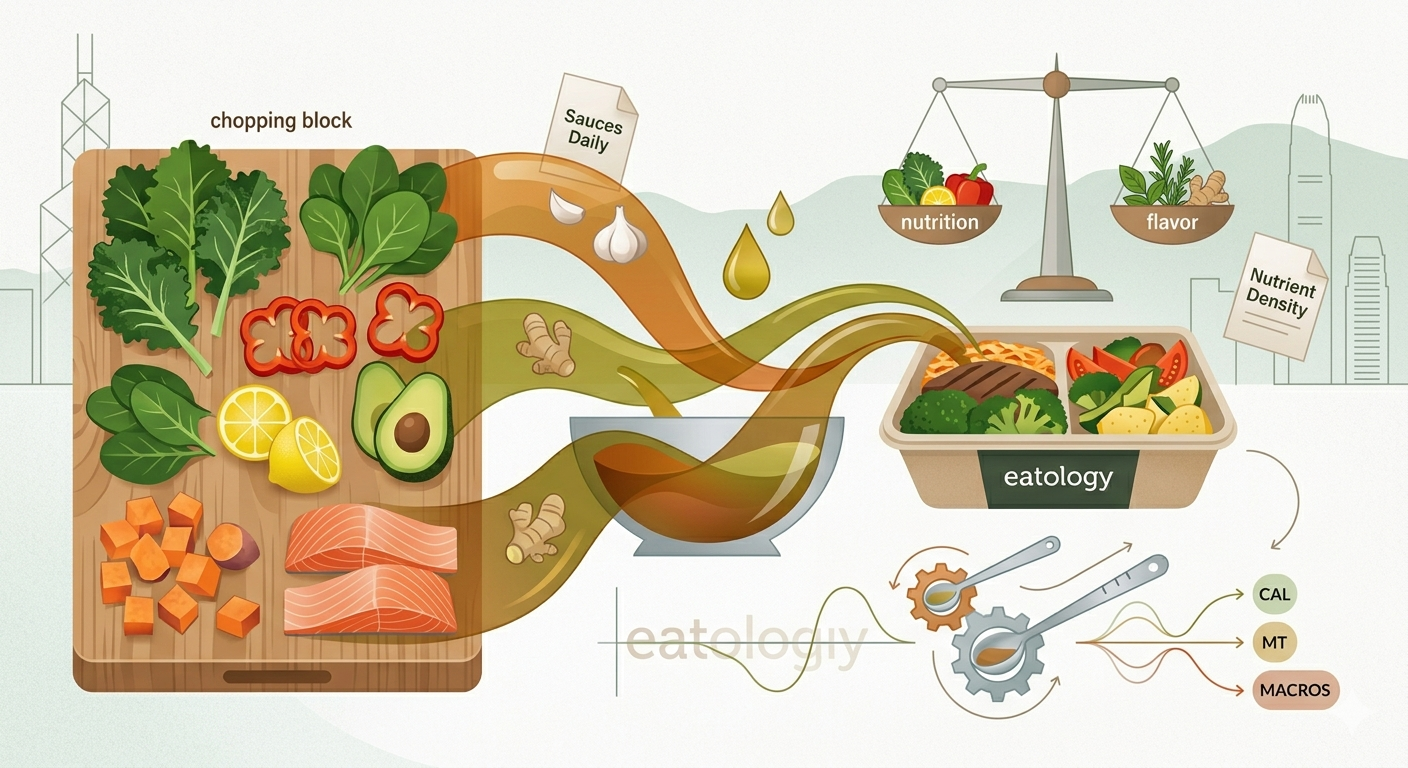
At Eatology, we chef-test recipes in small batches before they hit a menu. We calibrate macros using weighed ingredients, not estimates. I work with the team to reduce added sugars, push umami through stocks and reductions, and rotate herbs so flavors stay fresh across the week. That’s how we keep food both healthy and restaurant-quality.
We also pair nutrition with kitchen craft: heat retention, texture preservation, and reliable reheating instructions. It shows in the mouthfeel of a seared salmon or the snap of a roasted vegetable. If it tastes great, you will stick with it.
How I pick the right plan for a client
I start with goals, schedule, and appetite. Office hours, workouts, and sleep all shape the right portion sizes and timing.
Your starting point is just as important. A 65 kg distance runner and a 90 kg office executive should not share the same daily target. Neither should someone recovering from an injury and someone preparing for a race. Precision keeps you out of the trial-and-error loop.
- Signs a meal plan suits you:
- Busy schedule, limited time to shop and cook, making meal prep an essential strategy.
- Weight loss or muscle gain target
- Energy swings mid-afternoon
- Late-night snacking
- Training with no clear fueling strategy
Here is the decision filter I use every day:
- Goal: fat loss, strength, performance, maintenance
- Calories: set a realistic range that fits your week, not just one perfect day
- Protein: usually 1.6 to 2.2 g per kg body weight, adjusted for appetite and training
- Carbs: time them around training or high-focus periods for steady energy
- Fats: enough for hormones and satiety, often 25 to 35 percent of calories
- Culinary style: Asian-inspired, Mediterranean, plant-forward, comfort-focused
- Allergies: clear labeling and prep protocols
- Schedule: two, three, or four meals per day, with or without snacks
- Budget: pick the tier that you can sustain for at least four weeks
If you want quick math, multiply your body weight in kilograms by 28 to 32 for a maintenance calorie estimate, then adjust by 10 to 20 percent up or down based on your goal. That gets you within striking distance, and the plan does the rest.
A day on our menu
Here is how a typical balanced day might look. Real dishes, not bland boxes.
Breakfast might be a spinach and feta egg bake with cherry tomatoes and herb oil, plus a side of roasted sweet potato. You get protein and complex carbs early, so cravings stay quiet until lunch.
Lunch could be miso-ginger chicken thigh with sesame cabbage and brown rice. We keep the skin crisp with a light sear, then finish in the oven for even texture. Sodium is controlled, but the umami still lands.
Dinner rules are simple: satisfying, not heavy. I like steelhead trout with lemon caper sauce, charred broccolini, and quinoa pilaf. Clean finish, solid omega-3s, and you still feel light enough for an evening walk.
Snacks rotate. Greek yogurt with roasted pears, a cacao energy bite, or a hummus pot with cucumber and bell peppers. If you don’t want snacks, we scale your main meals up so your day still balances.
Taste and flexibility without the hassle
Ordering should be easy. Pick a plan, choose your days, set your delivery address. We deliver across Hong Kong Island, Kowloon, and New Territories. If your building has access rules or timing quirks, we work with that. Food safety stays tight from our kitchen to your door.
Storage is simple. Meals go straight to the fridge and hold their texture for the planned window. Reheating takes two to three minutes in the microwave, or you can use a skillet for proteins if you want a little extra sear. Every label includes ingredients, macros, and clear heating notes.
Traveling for a few days? Pause. Training harder this week? Bump your calories. I build plans to move with your life, not lock you into a rigid schedule.
Pricing clarity without surprises
The market in Hong Kong sits across a broad range, and a lot of people ask me what to expect. Here is what I see most often:
- Balanced and vegetarian plans: 260 to 360 HKD per day for three meals, depending on calories and menu complexity
- High protein or performance plans: 300 to 520 HKD per day, driven by larger protein portions, premium fish and custom carb timing
- Specialty protocols, gluten-free or keto-friendly: 300 to 420 HKD per day based on sourcing and prep controls
At Eatology, I keep pricing transparent and simplify meal prep. You pick the calorie band, meal count, and duration, and you see the total before checkout. No surprise fees tacked on at the end.
Ingredients that do the heavy lifting
I prefer seasonal produce and fresh herbs to build flavor without leaning on heavy sauces. We use extra virgin olive oil judiciously and control saturated fats by trimming meats and leaning into fish and legumes. Sodium stays in a healthy range, and we target fiber to keep digestion smooth and appetite even.
We also limit refined sugars. Sweetness comes from fruit reductions, roasted root vegetables, and occasional honey in marinades. The result is clean energy, less bloat, and better sleep.
Who benefits most
I see strong results with busy professionals who want a steady drop on the scale without thinking about it all day. New parents who need predictable fuel. Runners, lifters, and mixed training athletes who need carbs around sessions. People with sensitivities who are tired of scanning menus and asking for substitutions.
I also work with teams. Office wellness programs can run on a single platform with varied macro targets, so the finance lead and the design manager both eat well without coordinating separate orders. It lifts afternoon energy and takes snack raids off the table.
What to watch out for when choosing a service
There are a few common mistakes that derail good intentions. I see them over and over, and they are easy to avoid.
- Starting too low: dropping calories so far that hunger spikes and adherence falls by week two
- Ignoring protein: under-eating protein slows body composition changes
- No plan for weekends: overeating on Saturday and Sunday wipes out Monday to Friday progress
- Zero variety: repeating meals too often increases boredom, then you reach for extras
- Muddy labeling: unclear macros or missing ingredients make it hard to trust the plan
- Timing mismatch: meals arriving outside your schedule leads to missed dishes and waste
Fix these, and progress becomes predictable.
Why I trust our method
I’m strict about data and feel. Data is calories, macros, and weight or performance metrics. Feel is energy, hunger, digestion, and mood. When those two line up, you know the plan is working.
We keep the kitchen disciplined so the numbers stay accurate. Then we keep the menu exciting so you look forward to eating. That balance is what keeps clients with us long term.
If you want support dialing in your targets, I’m happy to help. Tell me your height, weight, activity level, and preferences. I’ll recommend a calorie band and plan type that fits your week.
Ready when you are
Choose your plan, customize your menu, and let us cook. We deliver fresh, restaurant-quality meals across Hong Kong so you can focus on living, training, and feeling your best. If you want flavor, results, and zero guesswork, Eatology makes it easy.
Elevate your health. Savor every bite.