Sugar sneaks into more meals and drinks than most people realize. If you want better energy, easier weight control, clearer skin, and fewer cravings to complement a healthier lifestyle, trimming added sugar is one of the most reliable levers you can pull. I’ve coached busy professionals, athletes, and parents through this shift. The goal isn’t perfection. It’s systems and choices that make the low sugar path the easiest one to follow.
Why cutting added sugar works
The science is simple. High sugar intake spikes insulin, drives hunger, and makes fat loss harder. It also pushes up triglycerides and adds pressure on the liver, which raises cardiometabolic risk. Dial it back and you stabilize appetite, keep more steady energy, and sleep better. For many, skin calms down and brain fog eases.
You don’t need to cut fruit, and you don’t need to do zero sugar. You need to cut added sugar and high sugar drinks, and build plates that keep you full.
Set a clear target that fits real life
A vague goal leads to vague results. Pick a number. Here’s how I set targets:
- If you’re new to this: keep added sugar at or below 25 grams per day.
- If you drink sweetened beverages regularly: bring those to near zero first. That single shift can drop 30 to 60 grams per day.
- If you want a performance bump but not strict dieting: cap added sugar around 20 to 30 grams on non-training days, allow an extra 10 to 15 grams around workouts if needed.
For context, 25 grams of sugar is about 6 teaspoons. That’s less than one small bottle of many flavored teas or juices.
Know your sugar types
Total sugar on a label counts both natural and added sugars. Your body responds to context. An apple with fiber and water hits differently than apple juice.
- Natural sugar in whole fruit and plain dairy is fine for most people, especially when the rest of your plate is balanced with whole foods.
- Added sugar is the focus. It shows up in breakfast cereals, sauces, breads, flavored yogurt, bars, bottled coffee, and salad dressing.
Watch for aliases. Manufacturers rotate names.
Common names for added sugar
| Name to watch | Where it hides |
| Sucrose, cane sugar | Baked goods, sauces, cereals |
| Brown sugar | Marinades, BBQ sauce, baked goods |
| Corn syrup | Soft drinks, candy, condiments |
| High-fructose corn syrup | Sweetened drinks, packaged snacks |
| Maltose, malt syrup | Cereal, bread, energy gels |
| Dextrose, glucose | Sports drinks, processed meats |
| Invert sugar | Confectionery, syrups |
| Coconut sugar | “Natural” snacks, granola |
| Agave syrup | “Healthy” bars, beverages |
| Honey, maple syrup | Yogurt, dressings, bakery items |
| Fruit juice concentrate | Sauces, “no sugar added” products |
If any of these show up in the first three ingredients, assume it’s a sugary product.
Read labels like a pro in Hong Kong
Hong Kong’s Nutrition Labeling Scheme makes this easier. Two checks matter:
- Check per 100 g or 100 ml. This helps compare products.
- Check per serving. Serving sizes can be tiny. Multiply up to what you actually eat.
Claim language has specific meanings. Here’s a quick reference you can use in the aisles.
What label claims actually mean
| Claim | Practical meaning in Hong Kong |
| Low sugar | Not more than 5 g per 100 g (solids) or 2.5 g per 100 ml (liquids) |
| Sugar free / No sugar | Not more than 0.5 g per 100 g or 100 ml |
| Reduced sugar | At least 25 percent less sugar than the reference product |
| No added sugar | No sugar added, but natural sugars may still be present |
Pro tip: “No added sugar” fruit juice can still carry 20 to 25 grams per glass. If fat loss or blood sugar control is a priority, keep juices for rare occasions.
Build a low sugar plate that keeps you full
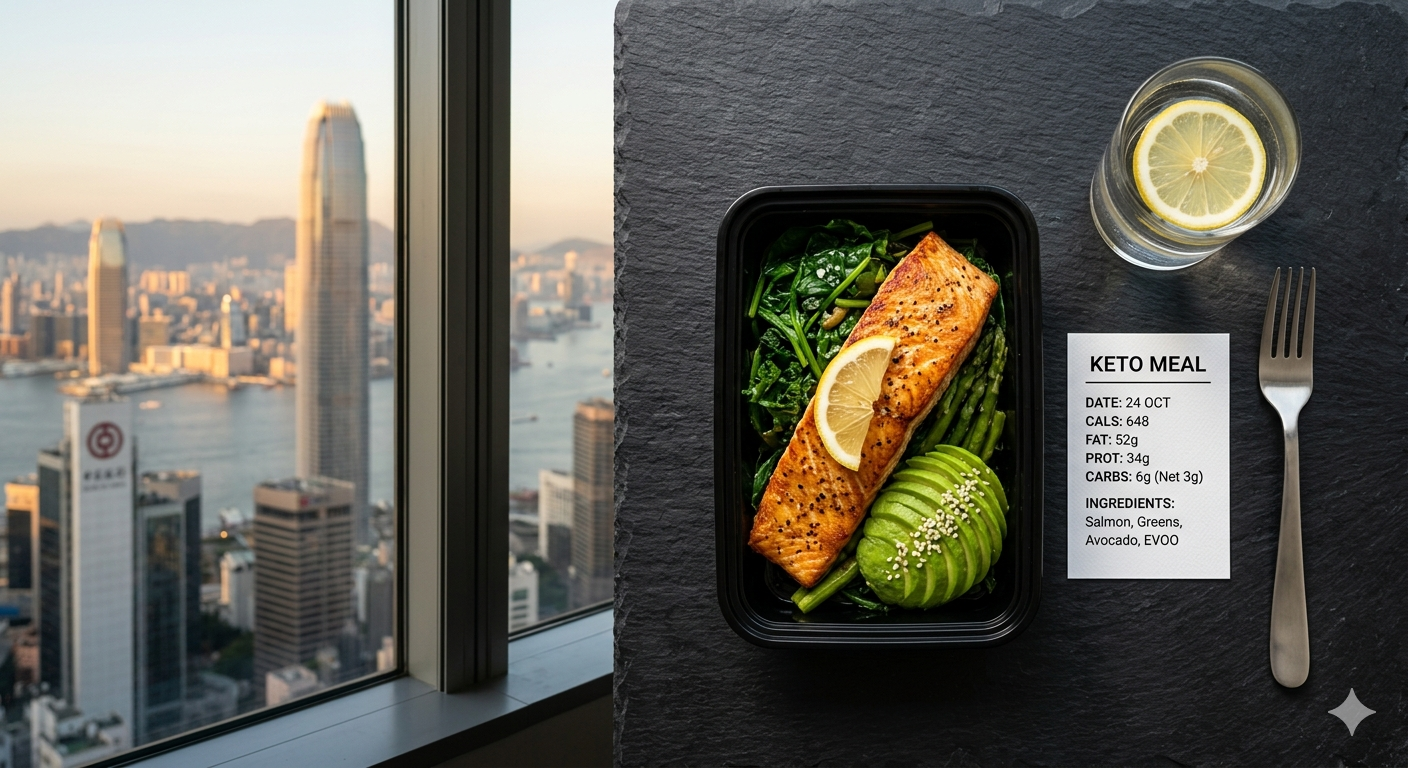
Hunger is the reason most plans collapse. Structure each meal to check three boxes and incorporate principles of healthy eating.
- Protein: 25 to 40 grams. Eggs, Greek yogurt, tofu, chicken, fish, lean beef, tempeh, legumes.
- Fiber: vegetables, beans, intact grains. Aim for 8 to 12 grams per meal.
- Healthy fats: olive oil, avocado, nuts, seeds. Enough to feel satisfied, not drenched.
A simple template:
- Half the plate vegetables
- A palm to two palms of protein
- A fist of smart carbs when active, half a fist when sedentary
- A thumb or two of healthy fats
Drinks matter. Choose water, sparkling water, unsweetened tea, or coffee. If you want sweetness, consider using sugar substitutes, a small splash of milk, a cinnamon stick, or a wedge of citrus.
A clean 7-day reset to cut sugar fast
Day 1 to 2
- Remove sweetened beverages. Swap to water, sparkling water, unsweetened tea or coffee.
- Add a protein-rich breakfast to avoid mid-morning sugar grabs.
Day 3 to 4
- Replace sweetened yogurt, cereal, and bars with eggs, chia pudding, Greek yogurt with berries, or overnight oats with nuts.
- Handle traditional desserts by swapping to fruit-based desserts, unsweetened yogurt, or 85 percent dark chocolate.
Day 5 to 6
- Audit sauces and dressings. Replace sugary ketchup and sweet chili sauce with mustard, salsa, chili flakes, vinegar, soy sauce, tahini, or olive oil.
- Build one large salad meal with protein and a savory dressing.
Day 7
- Scan the week. Keep the swaps that felt easy. Pick one thing to upgrade next week.
Breakfast, lunch, and dinner swaps that cut sugar
Breakfast upgrades
- Replace granola clusters with plain oats topped with nuts, seeds, and cinnamon.
- Replace sweetened yogurt with plain Greek yogurt, a handful of berries, and a drizzle of peanut butter.
- Replace bottled coffee drinks with fresh coffee plus milk or a dash of cinnamon.
Lunch and dinner upgrades
- Replace sweet chili sauce with lime juice, fish sauce, and fresh herbs.
- Replace sugary marinades with dry rub spices, garlic, and olive oil.
- Replace white buns and sugary sauces in burgers with a lettuce wrap or whole grain bun and mustard.
Snacks that work
- Nuts, seeds, and edamame
- Cheese with cherry tomatoes
- Roasted seaweed with a rice paper roll
- A boiled egg and a piece of fruit
Dessert that doesn’t trip you up
- 85 percent dark chocolate, one or two squares
- Berries with ricotta or Greek yogurt
- Baked apple with cinnamon
Your grocery list for week one
Produce
- Leafy greens, cucumbers, tomatoes, bell peppers
- Crucifers like broccoli and cauliflower
- Berries, kiwi, citrus, apples
Protein
- Eggs, Greek yogurt, tofu, tempeh
- Chicken thighs or breast, fish, lean beef, beans, lentils
Smart carbs
- Oats, quinoa, brown rice, sweet potatoes
- Whole grain bread with at least 3 grams fiber per slice
Fats and flavor
- Olive oil, avocado, nuts, seeds, tahini
- Vinegar, soy sauce, mustard, chili flakes, garlic, herbs
Pantry checks
- Read every sauce and cereal label for added sugars. Aim for single digit sugar per 100 g, or go unsweetened.
Eating out in Hong Kong without blowing your sugar budget
Sauces are the trap. Sweet soy glaze, char siu marinades, sweet chili, noodle sauces, and bottled drinks ramp up sugar quickly. Here’s how I keep it tight when I’m out.
- Ask for sauce on the side. Use enough for taste, not a bath.
- Choose steamed, grilled, or roasted proteins. Stir-fries are fine if the sauce is not sweet.
- Load up on vegetable sides. Add rice if you’re active that day, skip or halve it if you’re not.
- Drinks: still or sparkling water, hot tea, black coffee, or milk tea without sugar.
If you want consistent low sugar meals without the guesswork, Hong Kong has a public list of restaurants and providers offering less salt and less sugar options. You can check the government’s current list here: https://www.eeb.gov.hk/food/en/committees/crss/offering_less_salt_sugar_options_restaurants.html
We’re proud to be on that list at Eatology Hong Kong. Our low sugar and low salt menus are designed by nutritionists, cooked by chefs, and we deliver across Hong Kong. If your schedule is intense or you’re just done reading labels, let us take it off your plate with our expertly crafted meal plans.
What to do when cravings hit
Cravings are signals. I read them before I fight them. If you’re craving sweets after lunch, you probably under-ate protein or fiber at that meal. If you crave at night, you might be tired or stressed.
Quick fixes that work
- Add 10 to 15 grams more protein at the previous meal.
- Finish meals with a bitter note. Arugula, lemon peel, or plain green tea helps.
- Keep a sweet backup that won’t derail you. Berries or dark chocolate.
- Break the loop with a walk or shower. Five minutes often resets it.
If cravings are daily and intense, check sleep. Poor sleep raises hunger hormones and drops restraint. Aim for 7 to 8 hours most nights.
Track results the smart way
I don’t ask clients to count every gram forever. For two weeks, track the basics.
- Added sugar grams per day
- Sweetened drinks per day
- Fruits vs fruit juice
- Energy and cravings levels, 1 to 10
Patterns show up fast. The goal is to learn your triggers and automatic wins, then stop tracking.
Common pitfalls and fast fixes
Hidden sugar bombs
- Healthy sounding granola, muesli, and cereal. Many hit 12 to 20 grams per serving.
- Flavored yogurt. Plain saves you 10 to 15 grams.
- Kombucha and bottled tea. Some brands add 10 grams or more per bottle.
- Sauces. Ketchup, teriyaki, sweet chili, hoisin, BBQ.
Misleading labels
- “No added sugar” but made with fruit juice concentrate. Still high in sugar.
- “Reduced sugar” cookie is still a cookie. Portion still matters.
Overdoing sweeteners
- Sugar alcohols like erythritol and xylitol can cause GI distress if you overdo them.
- Stevia and sucralose can help during transitions. Keep them low and try to retrain your taste for less sweet food.
Undereating protein
- If you’re hungry between meals, start with protein. It fixes more problems than any other tweak.
A one-day low sugar menu with grams
This sample day stays roughly within 15 to 25 grams of added sugar, mostly coming from sauces or small treats.
Breakfast
- Greek yogurt parfait: 200 g plain Greek yogurt, 1 tablespoon peanut butter, 1 teaspoon chia seeds, 1 small handful of berries, cinnamon
- Black coffee or tea
- Added sugar: 0 g
Lunch
- Grilled chicken salad: mixed greens, cucumber, tomato, avocado, olive oil, vinegar, salt, pepper
- Side of quinoa, half cup
- Sparkling water with lemon
- Added sugar: 0 g
Snack
- A small apple and 10 to 12 almonds
- Green tea
- Added sugar: 0 g
Dinner
- Seared salmon, roasted broccoli, and sweet potato wedge
- Optional soy sauce or lemon
- Added sugar: 0 g
Optional treat
- Two squares of 85 percent dark chocolate
- Added sugar: 3 to 4 g
If you want a higher carb day, add rice or noodles at lunch and keep sauces savory to manage your carbohydrates effectively. Still stay off sweetened drinks.
How Eatology makes low sugar simple
I design meal structures for clients, then I reality check their calendars. Meetings, travel, kids, late nights. If cooking and label reading feel like a part-time job, you won’t keep it up. That’s why I like done-for-you meals that still respect strict nutrition targets.
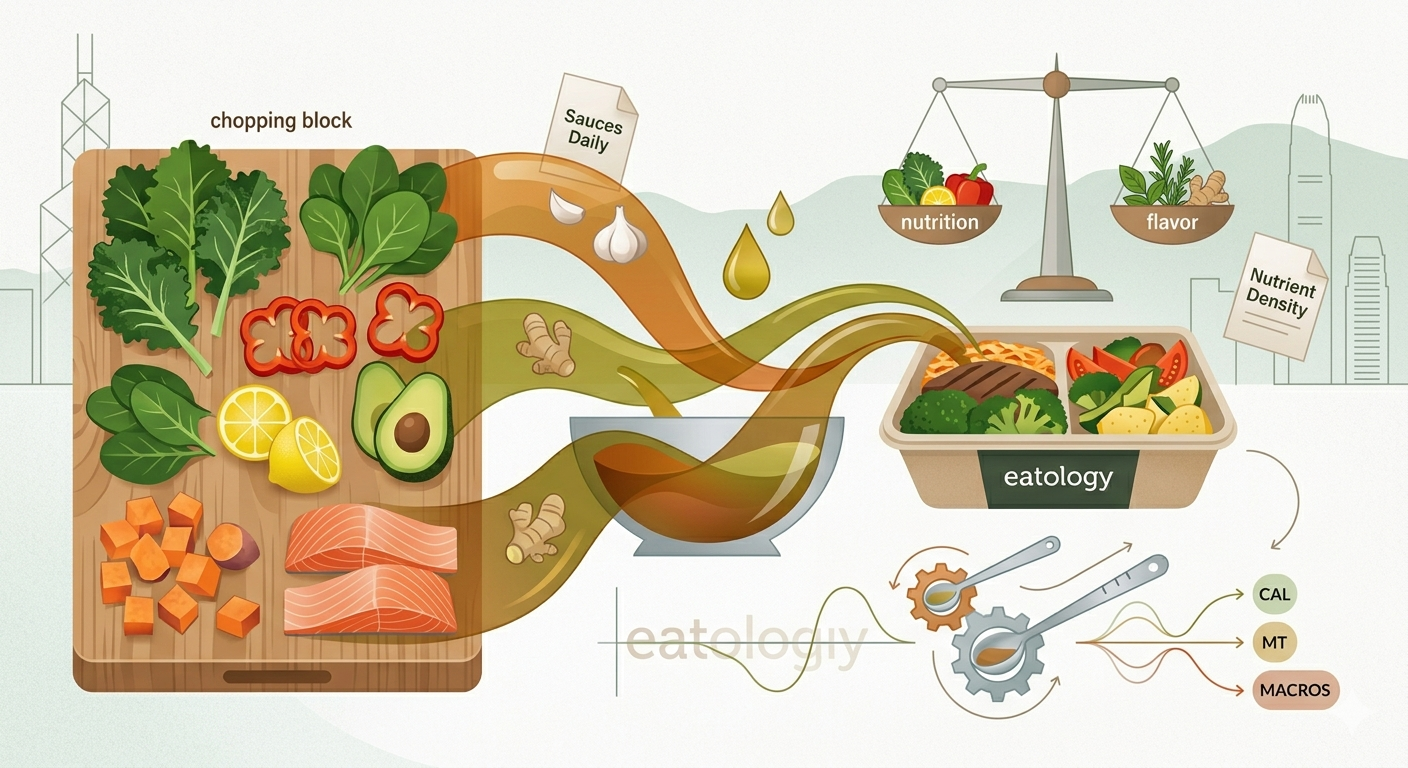
At Eatology Hong Kong, we built low sugar and low salt options that hit real targets, taste like restaurant food, and show up on time. Every dish is planned by nutritionists and executed by chefs. If you want weight loss, we keep portions and macros precise. If you want performance, we time carbs around your training. If you just want clean, flavorful food without surprises, we can do that too.
We’re on the Hong Kong government’s list of restaurants and providers offering less sugar and less salt choices. If you want to see the broader list of options around the city, here’s the official page again: https://www.eeb.gov.hk/food/en/committees/crss/offering_less_salt_sugar_options_restaurants.html
Ordering is straightforward:
- Pick your plan and calorie level to manage your calories effectively
- Flag preferences and any ingredients you want to avoid
- Choose delivery days, and let us handle the rest
We deliver across Hong Kong. The meals arrive fresh, properly portioned, and ready when you are. If you’ve tried to quit sugar three times and keep getting pulled back by schedules and cravings, this shortcuts the hardest part. You still eat food you look forward to, you just cut the sugar side effects.
Curious which Eatology meal plan fits your lifestyle and goals? Take our quick Diet Assessment Tool to get personalized recommendations. It only takes a few minutes and helps you find the perfect plan—tailored to your needs.
So, how to start a low sugar diet?
- Start with drinks. It’s the fastest win.
- Front-load protein at breakfast.
- Keep two low sugar snacks in your bag.
- Swap sweet sauces for acid, heat, herbs, and umami.
- Track for two weeks, then go by habit.
- Plan dessert. Make it intentional, not reactive.
You don’t need perfect discipline to maintain a low sugar diet. You need a few steady rules, a setup that fits your week, and meals that satisfy. That’s when the plan sticks.